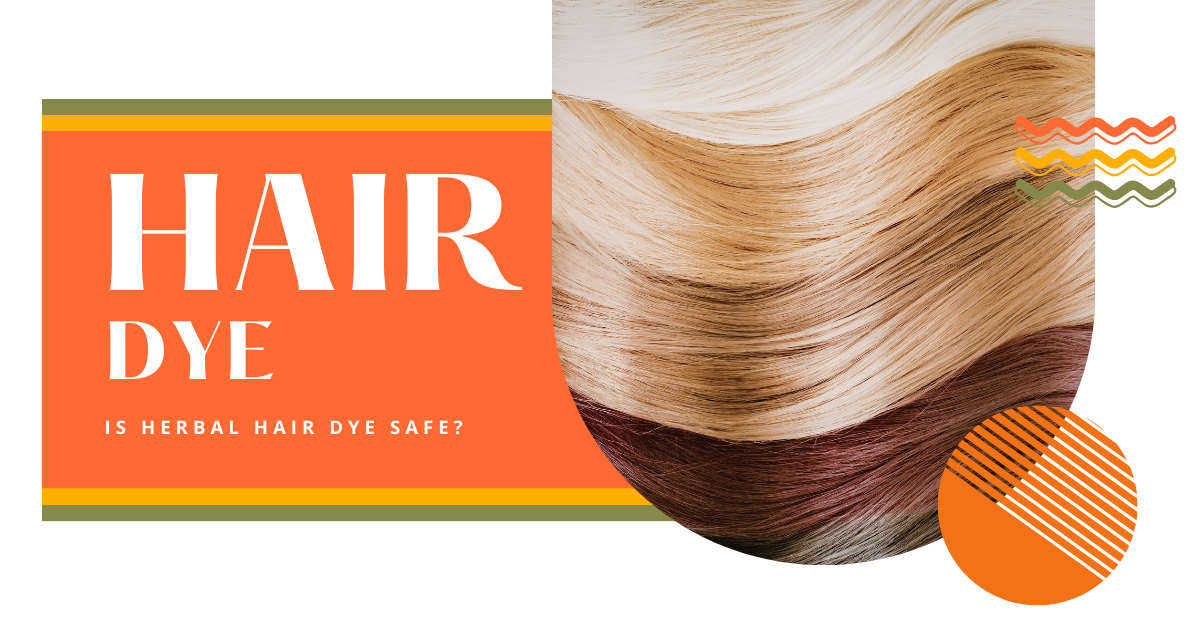
Hair coloring is one of the most widely used cosmetic practices. But the most common question remains:
Is there any hair dye in the market that is 100% herbal, natural, and completely safe?
From a cosmetic science and formulation perspective, the clear answer is: No. There is no hair dye that is completely chemical-free or 100% risk-free.
This article explains the scientific facts, benefits, risks, and who should or should not use hair dye — in clear and simple language.
What Is Hair Dye?
Hair dye is a cosmetic formulation designed to change or enhance hair color.
Scientifically, it works by:
- Depositing pigment on the hair surface (temporary color)
- Penetrating the hair shaft and forming color molecules inside (permanent color)
For permanent or long-lasting results, a chemical reaction is required.
Without chemistry, color cannot properly bind to the hair cortex.
Why No Hair Dye Is 100% Herbal or Chemical-Free
Hair is made of keratin protein. To change its natural pigment:
- The cuticle must open
- Color molecules must enter the cortex
- Oxidation must occur
This requires active ingredients such as:
- Oxidizing agents (e.g., hydrogen peroxide)
- Alkalizing agents (e.g., ammonia or MEA alternatives)
- Dye intermediates and couplers
Even products marketed as:
- Herbal hair dye
- Natural hair color
- Ammonia-free hair dye
- Color shampoo for grey coverage
Contain chemical color-depositing agents.
“Ammonia-free” does not mean chemical-free. It means ammonia has been replaced with another alkalizing ingredient.
Types of Hair Dyes: Scientific Overview
Permanent Hair Dye
Uses oxidation chemistry to form color inside the hair shaft.
Advantages
- Long-lasting results
- Strong grey coverage
- Wide shade range
Limitations
- Higher sensitivity risk
- Can cause dryness
- Requires maintenance
Semi-Permanent & Demi-Permanent Hair Dye
Lower chemical intensity and fades gradually.
Advantages
- Milder than permanent dyes
- Good for tone enhancement
Limitations
- Fades faster
- Limited grey coverage
Herbal or Henna-Based Hair Dye
Often contains plant-based ingredients like henna but may include synthetic additives.
Advantages
- Perceived as gentler
- May add shine
Limitations
- Limited shade options
- Can react with previous chemical treatments
- Not always 100% plant-based
Color Shampoos for Grey Coverage
Contain mild staining agents that deposit color gradually.
Advantages
- Convenient
- Lower processing time
Limitations
- Still chemical-based
- Can cause buildup
- Results vary
Positive Aspects of Hair Dye
When used correctly:
- Enhances confidence
- Covers premature greying
- Allows personal styling
- Supports professional appearance
Modern cosmetic regulations require safety testing before products reach the market.
Negative Aspects and Possible Risks
Allergic Reactions
Some individuals may react to ingredients such as PPD.
Symptoms may include:
- Itching
- Redness
- Swelling
- Burning sensation
Scalp Barrier Disruption
Frequent coloring may weaken scalp integrity.
Hair Damage
Repeated chemical processing may:
- Reduce moisture
- Increase breakage
- Affect elasticity
Misleading Marketing Claims
Words like:
- Herbal
- Natural
- Organic
- Safe
Do not mean universally risk-free.
Safety depends on individual tolerance.
When Should You Use Hair Dye?
You may consider hair dye if:
- You want grey coverage
- You want color enhancement
- You want a style transformation
Always:
- Perform a 24–48 hour patch test
- Follow usage instructions carefully
- Avoid applying on damaged or irritated scalp
Who Should Be Extra Cautious?
Use caution if you:
- Have a history of allergies
- Have sensitive scalp conditions
- Have eczema or psoriasis
- Are pregnant (consult healthcare provider)
- Are undergoing medical treatment
If you have previously reacted to hair dye, consult a dermatologist before reuse.
The Most Important Step: Patch Testing
No cosmetic product is safe for everyone.
Patch testing helps detect potential allergic reactions.
Steps:
- Apply small amount behind ear or inside elbow
- Leave for 24–48 hours
- Observe for redness or irritation
If irritation occurs, discontinue use.
Scientific Conclusion
Hair coloring is a cosmetic chemical process — not a herbal therapy.
There is no 100% herbal, chemical-free, or completely safe hair dye available.
Safety depends on:
- Individual skin response
- Proper usage
- Frequency
- Quality of formulation
Responsible use and awareness are more important than marketing claims.
Disclaimer
This article is intended for educational and informational purposes only. It does not constitute medical advice, diagnosis, or treatment recommendation.
Individual reactions to cosmetic products may vary. Always perform a patch test before using any hair dye. If you have a medical condition, scalp disorder, or history of allergic reactions, consult a qualified healthcare professional or dermatologist before use.
YouthXtract does not endorse or reject any specific brand. Consumers are advised to read ingredient labels carefully and make informed decisions.